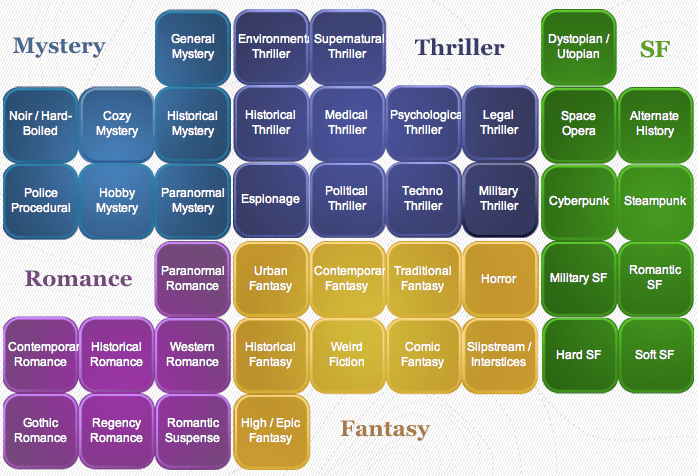
Paranormal refers to a genre that involves elements beyond the range of normal experience or scientific explanation, often incorporating supernatural phenomena, mythical creatures, and unexplained mysteries. Paranormal fiction can blend elements of horror, romance, mystery, and fantasy, creating a distinct and versatile genre that appeals to a wide audience.
Key Elements of Paranormal Fiction:
- Supernatural Entities:
- Ghosts: Spirits of the dead that may haunt locations or interact with the living.
- Vampires: Often portrayed as immortal beings who feed on the blood of the living.
- Werewolves: Humans who transform into wolves or wolf-like creatures, typically linked to the moon.
- Witches and Warlocks: Individuals with magical powers and knowledge of the arcane.
- Demons and Angels: Supernatural beings often associated with good or evil, heaven or hell.
- Other Creatures: Includes fairies, shapeshifters, zombies, and various mythical beings.
- Unexplained Phenomena:
- Psychic Abilities: Telepathy, telekinesis, clairvoyance, and other mental powers.
- Hauntings and Curses: Locations, objects, or individuals that are supernaturally affected.
- Parallel Realities: Alternate dimensions or parallel universes that intersect with the real world.
- Mystery and Suspense:
- The presence of paranormal elements often creates a sense of mystery and suspense, driving the plot as characters seek to understand or combat the supernatural occurrences.
- Blending with Other Genres:
- Paranormal Romance: Focuses on romantic relationships involving supernatural beings or set in a supernatural context.
- Paranormal Thriller/Mystery: Incorporates elements of suspense, crime, or detective work with paranormal aspects.
- Paranormal Horror: Emphasizes fear and terror, often involving hauntings, possession, or other frightening supernatural events.
Common Tropes in Paranormal Fiction:
- The Chosen One:
- A protagonist with unique abilities or a special destiny related to the paranormal world.
- Secret Societies:
- Groups or organizations that deal with the paranormal, such as vampire covens, witch covens, or demon-hunting orders.
- Hidden Worlds:
- Parallel worlds or hidden societies of supernatural beings that exist alongside the human world.
- Forbidden Love:
- Romantic relationships that defy the norms of the supernatural world, such as a human falling in love with a vampire.
- Ancient Prophecies and Artifacts:
- Legendary predictions or magical objects that hold significant power and influence the plot.
Writing Paranormal Fiction:
- World-Building:
- Establish clear rules and logic for the supernatural elements in your story.
- Create a believable setting that integrates paranormal aspects seamlessly with the real world.
- Character Development:
- Develop well-rounded characters who react realistically to the paranormal events they encounter.
- Explore how their interactions with the supernatural shape their personalities, relationships, and growth.
- Atmosphere and Mood:
- Use descriptive language to create an eerie, mysterious, or otherworldly atmosphere.
- Build suspense and tension through pacing, foreshadowing, and the gradual revelation of paranormal elements.
- Plot Structure:
- Balance the paranormal aspects with a strong, engaging plot.
- Ensure that the supernatural elements drive the story forward and contribute to character development and conflict resolution.
Conclusion:
Paranormal fiction offers a rich and diverse canvas for writers to explore themes of mystery, romance, horror, and fantasy through the lens of the supernatural. By blending these elements with compelling characters and imaginative world-building, authors can create engaging and suspenseful stories that captivate readers’ imaginations.
 Books and Book Reviews